Across the United States, healthcare systems are facing an increasingly common challenge: imaging volumes are rising faster than the availability of radiologists. Hospitals and diagnostic imaging centers are expected to deliver fast, accurate reports while managing limited internal resources.
As patient demand grows, radiology departments experience increased pressure, leading to delayed reports, heavier workloads, and professional burnout. These challenges have accelerated the adoption of remote radiology reporting as a practical solution.
Why Radiologist Workforce Shortages Are Increasing
Radiologist shortages are driven by multiple long-term factors. An aging workforce, limited residency expansion, and growing subspecialization requirements have reduced available on-site expertise.
At the same time, imaging volumes continue to rise due to preventive screening, chronic disease management, and increased use of CT and MRI technology.
Impact on Patient Care
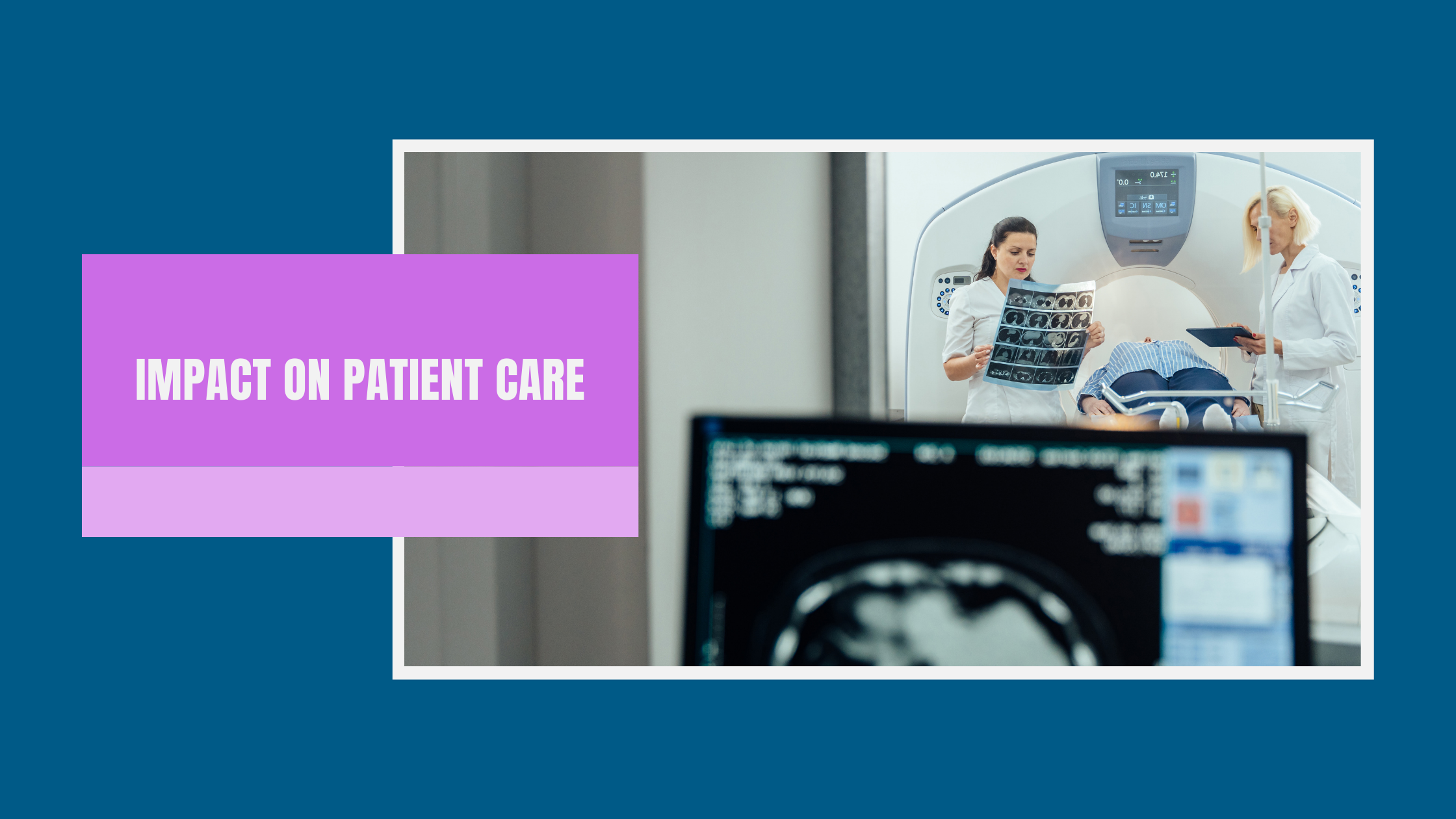
Workforce shortages can delay diagnoses, treatment decisions, and patient discharge. Emergency and after-hours imaging is especially affected, placing additional strain on remaining staff.
The Rise of Remote Radiology Reporting
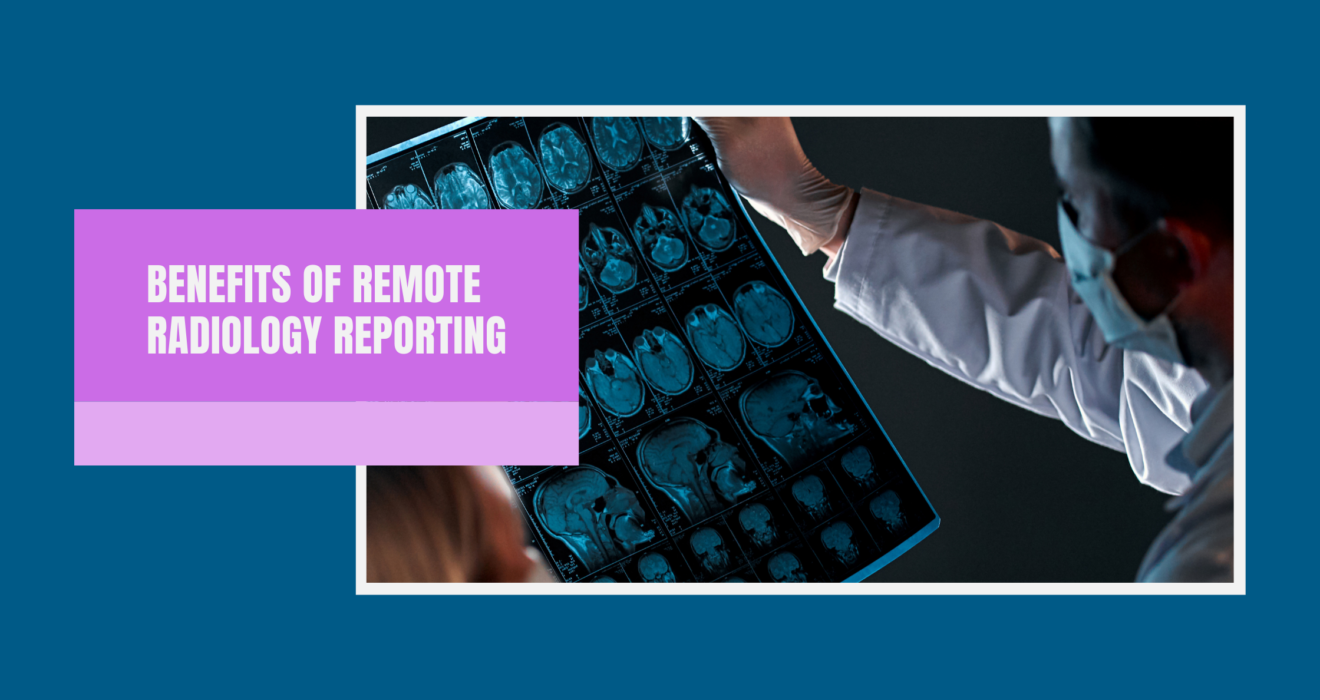
Remote radiology reporting allows imaging studies to be securely interpreted by off-site, board-certified radiologists. This enables healthcare providers to maintain consistent coverage without geographic constraints.
Benefits of Remote Radiology Reporting
- Faster report turnaround times
- Access to subspecialty expertise
- Reduced radiologist burnout
- Reliable 24/7 coverage
- Scalable reporting support
Supporting, Not Replacing, Radiologists
Remote reporting is designed to complement in-house radiology teams by sharing workload and improving sustainability, not replacing clinical expertise.
The Future of Radiology Workforce Management
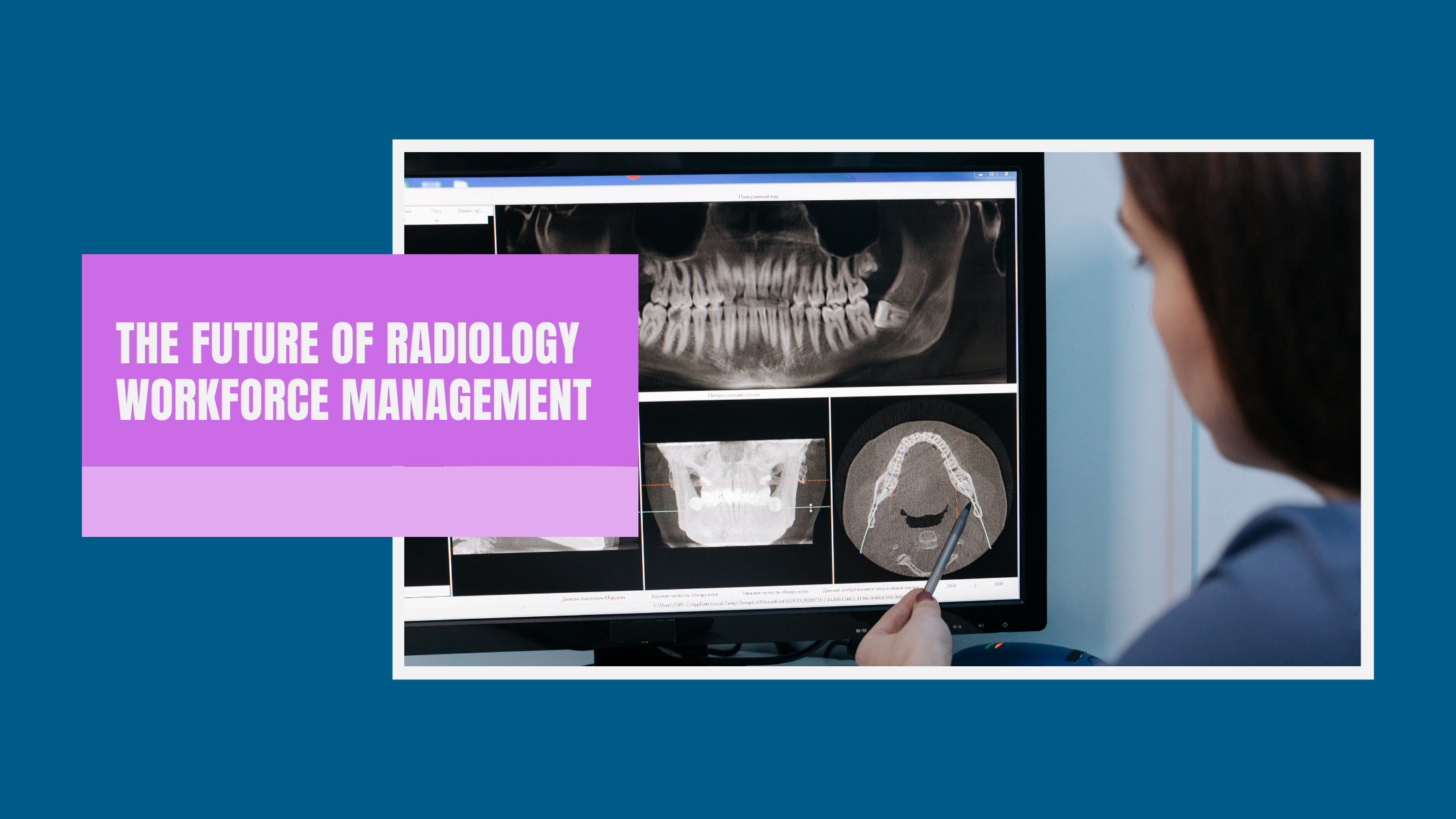
As imaging demand grows, remote radiology reporting will become a standard part of radiology operations, helping providers manage shortages while maintaining diagnostic quality.
Conclusion
Radiologist workforce shortages present real challenges across the U.S. healthcare system. Remote radiology reporting offers a scalable, reliable solution that supports providers and ensures timely, high-quality patient care.